EXPLORE THE LAB'S PROJECTS
- Current Projects
- In Development
PROJECT WADI ATTIR
A MODEL SUSTAINABLE DESERT COMMUNITY
http://wadiattir.sustainabilitylabs.org
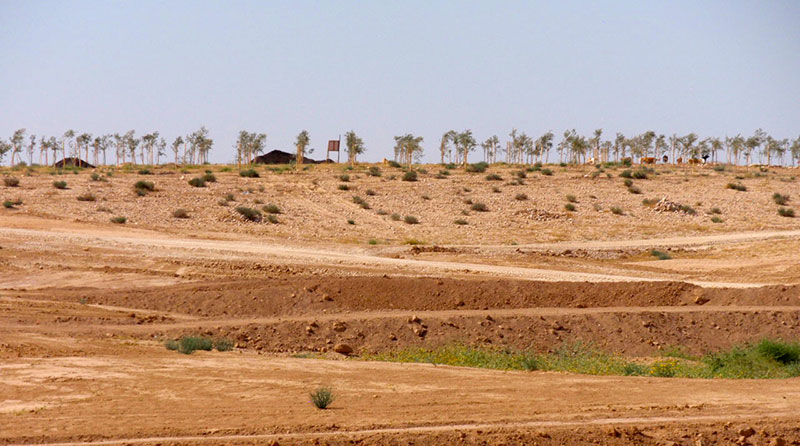
Project Wadi Attir is a groundbreaking initiative of a Bedouin community in the Negev desert, demonstrating an approach to sustainable desert agriculture, replicable locally as well as in other arid regions around the world. Using The Lab’s sustainability principles as a guide, the project is designed to leverage Bedouin traditional values, know-how and experience with modern-day science and cutting edge technologies.

After six years in development, Project Wadi Attir is moving into the implementation stage for all of its major initiatives, including the Herding and Dairy Initiative, Medicinal Plants Initiative, Indigenous Vegetables Initiative, the Vistor, Training and Education Center, and an integrated system of green technologies.

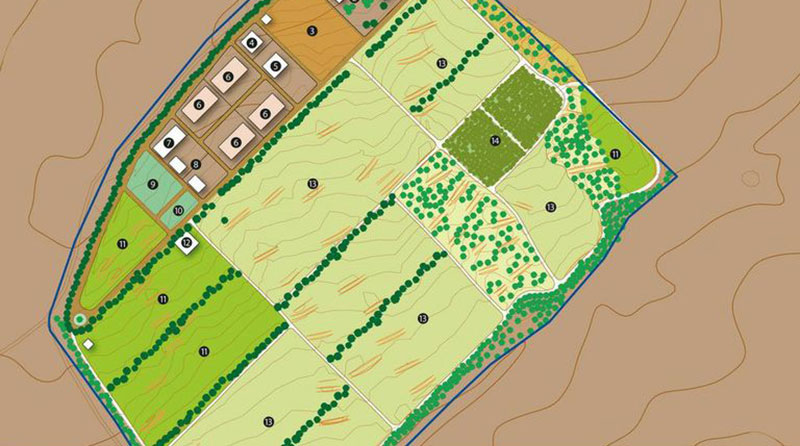
The Soil Enhancement and Water Retention Initiative has all but stopped erosion on the site, and the construction of strategic earth mounds have minimized water loss due to runoff.

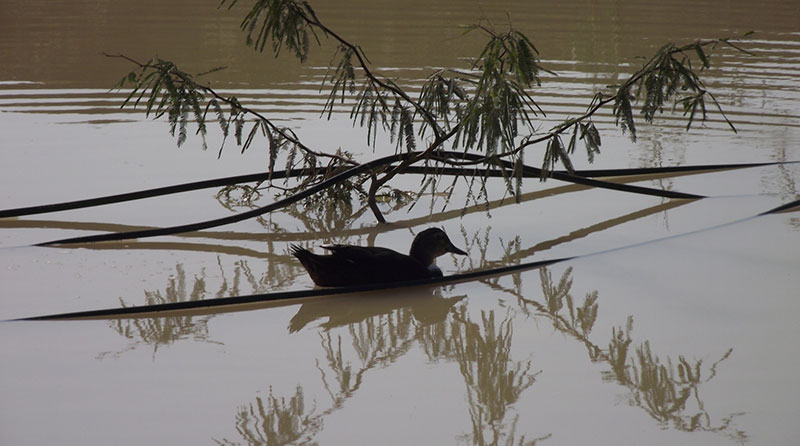
There has been a noticeable uptick in biodiversity on the site, which was previously almost void of life. Foxes, butterflies, and many bird species have been observed.

Site preparation work began in 2013, and construction of all green buildings will start during the fall of 2014.
GLOBAL SUSTAINABILITY FELLOWS
A TRANSFORMATIVE, GRADUATE-LEVEL LEARNING EXPERIENCE
http://gsf.sustainabilitylabs.org
The Global Sustainability Fellows Program is designed to inspire, inform and mobilize future generations of leaders who are committed to adding an in-depth exposure to sustainability issues to studies in their chosen disciplines. Integrating a rigorous theoretical orientation with experience-based learning, international exposure, and cross-discipline work, the program will impart the core competencies required to effectively tackle urgent sustainability challenges on a local, regional and planetary scale.

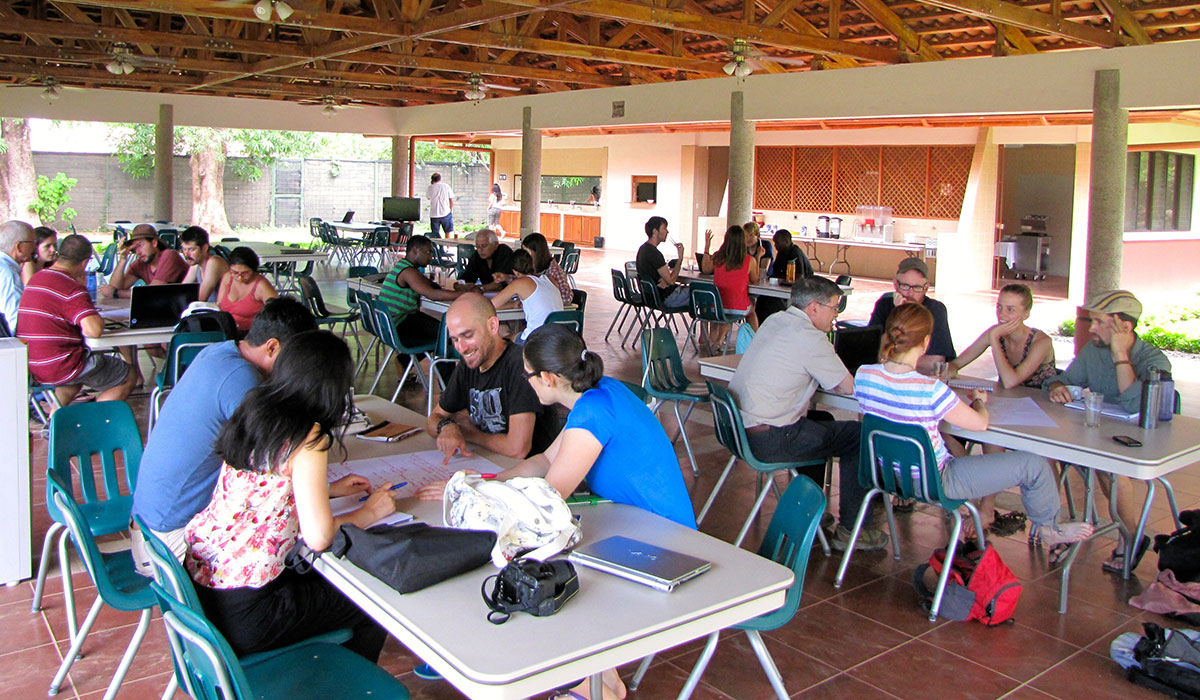
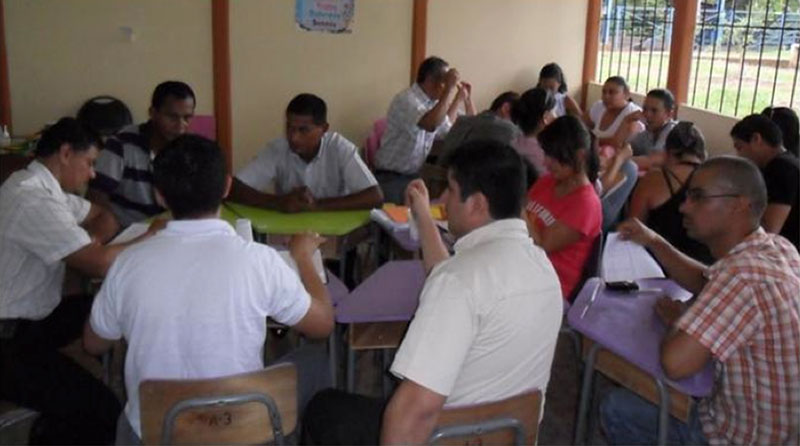
The pilot session of the GSF Program took place over two summer sessions at EARTH University in Costa Rica, during July of 2014 and August of 2015. Students from 16 countries on five continents, and representing a range of disciplines, participated in this session.

By incorporating The Lab’s rigorous theoretical orientation with experience-based learning, international exposure, and cross-disciplinary work, the GSF experience adds an essential dimension to the education students receive at their home institutions.

This development plan will be the basis for “Project Transition,” which we anticipate will be implemented with the help of The Lab, past fellows, EARTH University, local NGOs, community leaders, and local and regional government.

As the GSF program grows, we anticipate that fellows’ work pioneering effective solutions to critical sustainability challenges will serve as a real-world testament to the efficacy of the GSF approach.

Participants in the program are among the first members of the GSF Alumni Association, a professional, interdisciplinary network, where a common purpose, language and framework serve as the basis for game-changing sustainability innovations and initiatives worldwide.
THE SUSTAINABILITY PRIZE AT EARTH UNIVERSITY
INCORPORATING THE LAB'S "FIVE CORE PRINCIPLES OF SUSTAINABILITY" INTO REAL LIFE PRACTICE.
http://earthprize.sustainabilitylabs.org/
The Sustainability Prize, established in 2009 by The Sustainability Laboratory in collaboration with faculty members from EARTH University in Costa Rica, is awarded to the student project that best exemplifies implementation of The Lab’s “Five Core Principles of Sustainability.” The $10,000 prize is awarded to the winning project in order to support project implementation, with $1,000 earmarked for the high school attended by the prizewinner.

Since 2009, over 500 students and 40 faculty members at EARTH University have participated in the Sustainability Prize seminars, where they learn about The Lab’s definition of sustainability and the derived five core principles.

Since 2009, $60,000 in prize money has been awarded to nine prizewinners representing six Graduation Projects, with $10,000 returning to the prizewinners’ high schools in rural Latin American communities.

All but one of the prizewinners are currently working in the fields of environmental research, management, policy and corporate sustainability.

More than half of the prizewinning projects have been implemented and have achieved continuity even after the prizewinner’s departure.

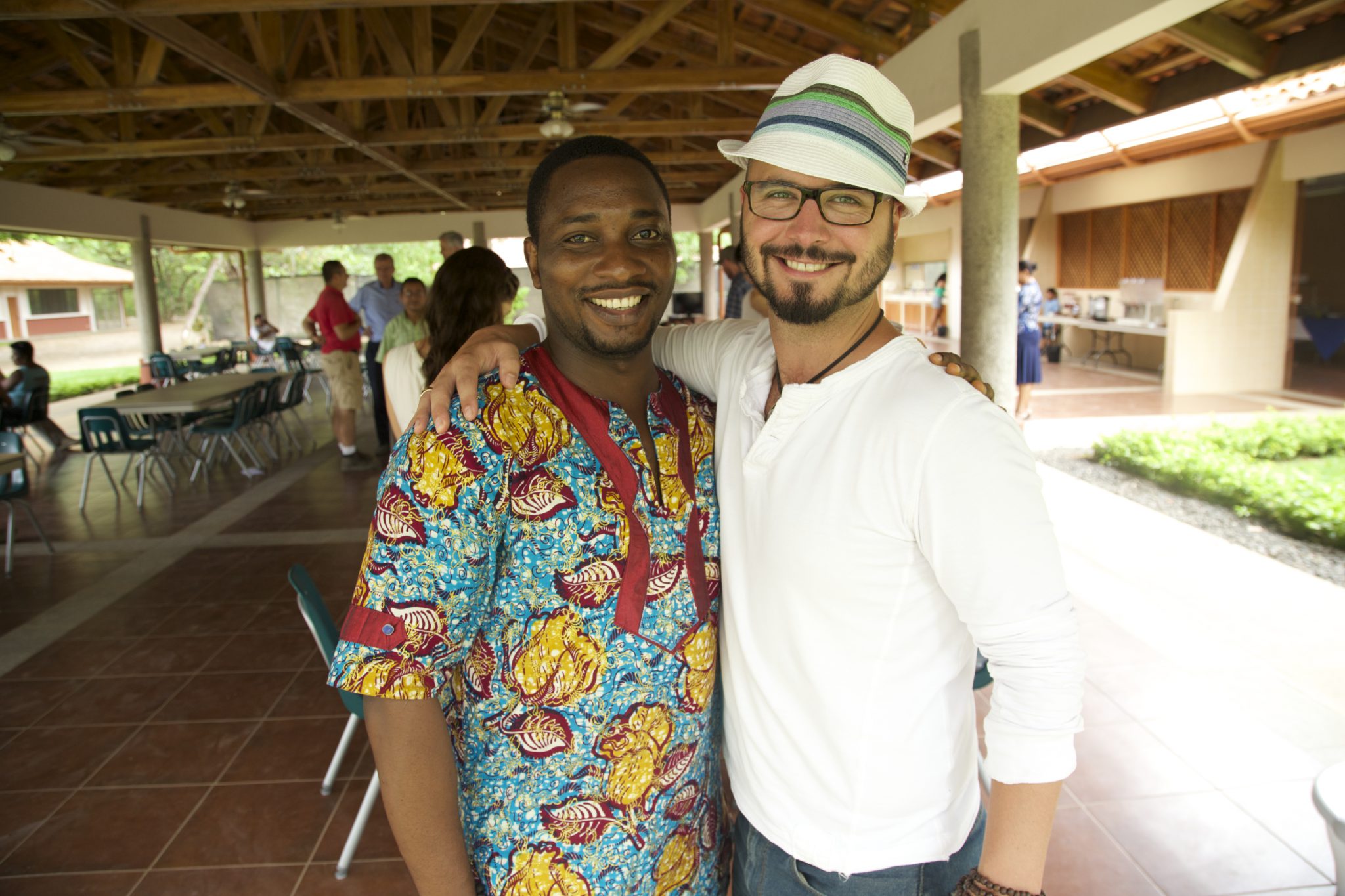
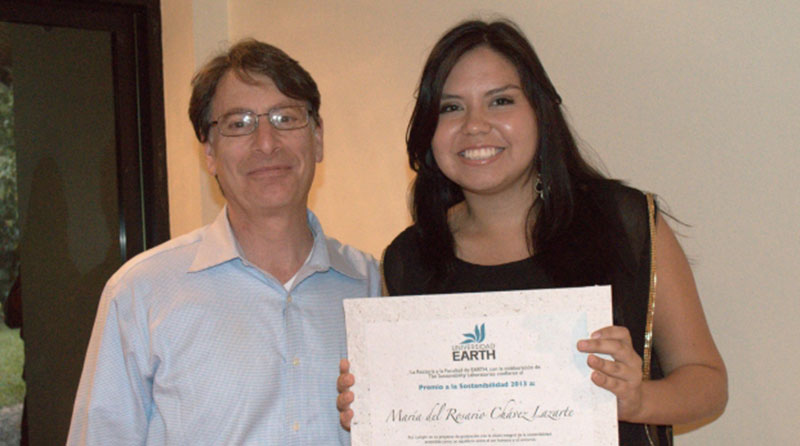
Due to the generosity of Dr. Ivor Freeman and Joshua Arnow (pictured here with Maria del Rosario Chavez Lazarte, winner of the 2014 Prize), the program has recently been renewed until 2018.
PROJECT TURQUOISE MOUNTAIN
TURNING A TOXIC SITE OF ABANDONED MINES INTO A THRIVING ECOSYSTEM
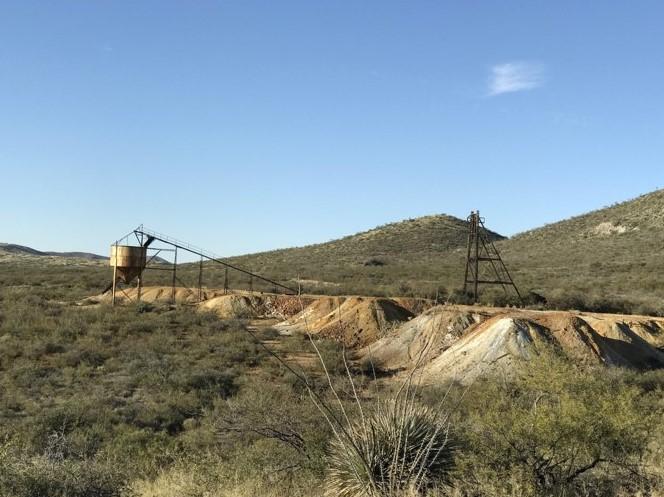
Project Turquoise Mountain is a proposed innovative approach to mine remediation and ecosystem restoration in Gleeson, Arizona, a remote area that contains a slew of long-abandoned mine shafts, tailings, and associated contamination. The Lab is currently collaborating with the owner of the site of these abandoned mines, with the intention of launching a model project that would showcase the application of sustainability principles to the vexing problem of mine remediation.